

Field Trips
实地考察
1. XTBG Tropical Rainforest, Thematic Plant Collections & Limestone Forest Ecology
with Nocturnal Biodiversity Walk/tour
Practical Information
Dates: Available on July 3 2026
Departure time: 9:30
Estimated return time to Jinghong: approx. 21:30
Fee: USD 90 per person (approx. RMB 600)
Fee includes
• Round-trip transportation
• Scientific guiding and interpretation
• Lunch
• Dinner
• Guided nocturnal biodiversity walk (Availability is subject to weather and safety conditions).
Scientific Lead
XTBG Scientific Coordination Team
Academic Focus
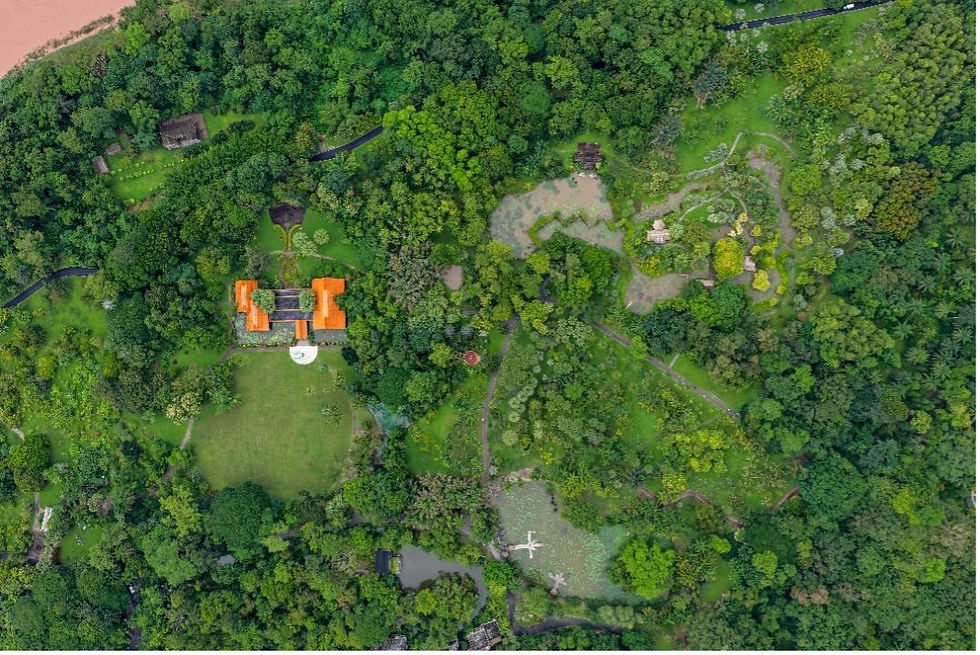
An integrated introduction to see the beautiful and iconic XTBG botanical garden, which is ranked nationally as a five “A” garden, and a five-star tourist site in China and its limestone karst conservation area. XTBG manages a tropical seasonal rainforest, specialized plant collections, and limestone (karst) forest ecosystems. This excursion aims to highlights plant conservation, biodiversity monitoring, and the scientific functions of a National Botanical Garden.
Scientific Highlights
Tropical rainforest structure and stratification
Specialized living collections (palms, economic plants, medicinal plants)
Ex-situ conservation and germplasm preservation
Limestone forest ecological adaptations
Rainforest fragment protection and restoration
Site Context
XTBG integrates extensive thematic plant collections with protected forest patches and long-term ecological research sites within the Mekong River basin. The garden functions as a major center for tropical plant conservation and biodiversity science in Asia, combining scientific research, living collections management, and ecological restoration within a National Botanical Garden framework.
What participants will experience
Participants will explore selected thematic plant collections, tropical rainforest areas, and limestone forest ecosystems under scientific guidance from XTBG researchers. Interpretation will focus on ex-situ conservation strategies, plant functional diversity, forest vertical stratification, and ecological processes across different habitat types within the garden’s research landscape.
An evening component offers a guided nocturnal biodiversity walk within designated rainforest fragments, introducing night-active amphibians, insects, and rainforest acoustic ecology.



Photos: Zhang Peng